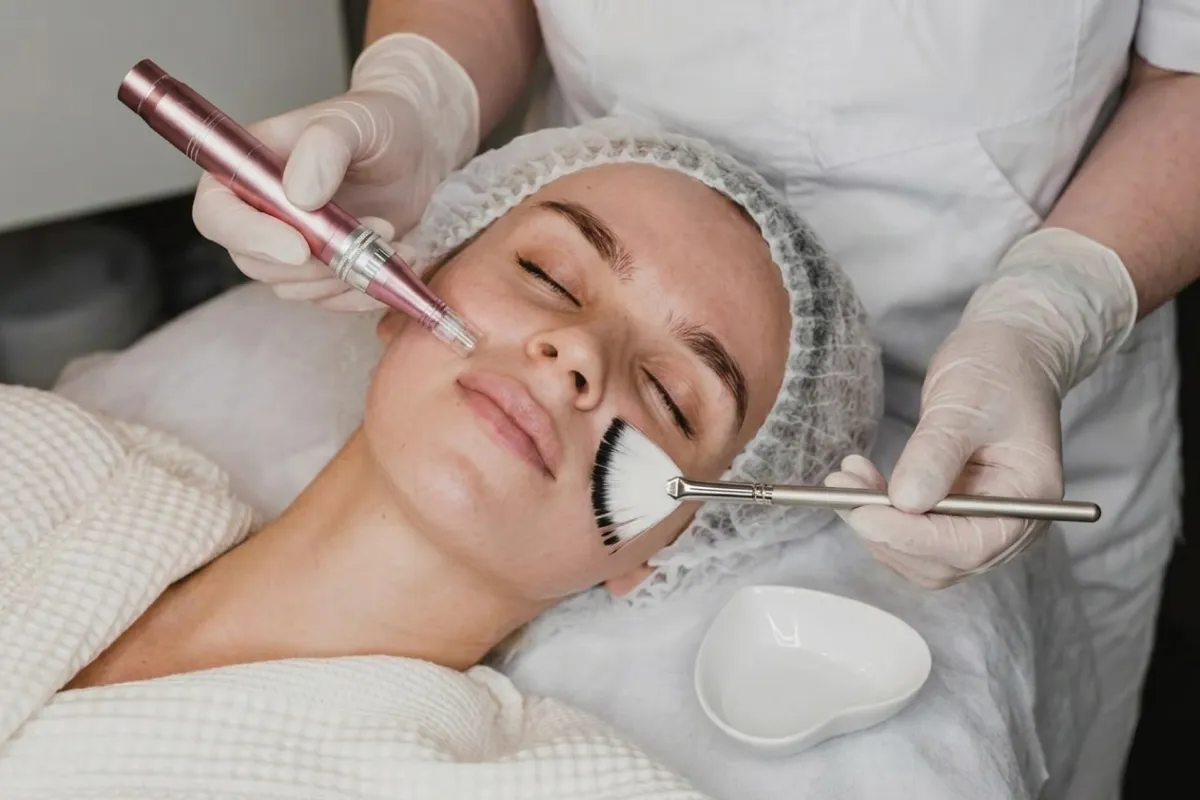
Combined therapies in cosmetology: how to safely combine peels and microneedling?
In modern clinic skincare, it is rarely about finding a single "miracle" treatment for everything. Instead, it is about the clever combination of procedures that target different levels of the skin. This is precisely why combined skin therapies have become so popular. When properly planned, they can drastically accelerate improvements in skin quality; however, when poorly put together, they can easily overload your skin barrier and cause unnecessary irritation.
Combined Therapy = A Strategic Plan, Not a Coincidence
Why do peels and microneedling complement each other so well?
Both procedures operate completely differently. A chemical peel, also called an acid peel, works primarily on the epidermis: it helps smooth out the skin texture, lighten hyperpigmentation, refresh skin tone, and prepare the tissue for further therapy. On the flip side, microneedling, Dermapen, or skin needling delivers a much stronger regenerative impulse, actively supporting skin remodeling, improving tissue quality, and stimulating deep cellular repair mechanisms.
In practice, this means a well-chosen peel perfectly prepares the skin for the next stage of therapy, while microneedling works harder later on regeneration, firmness, and smoothing. This exact complementary effect is what makes combined therapies incredibly valuable for complex, multi-layered skin concerns. If you want to understand the core differences between these two methods first, feel free to explore our article Microneedling vs Chemical Peel.
When does this combination make the most sense?
Most frequently, it makes sense when we aren't chasing just one minor cosmetic goal, but addressing several skin elements simultaneously. A prime example is skin with an uneven texture, post-inflammatory hyperpigmentation (PIH), a loss of freshness, or the initial signs of photoaging. In these scenarios, a standalone peel or microneedling session can certainly be helpful, but a properly structured combined therapy is simply more comprehensive.
This direction is also regularly considered for post-acne skin, dull and fatigued complexions, or when working on skin firmness. There is only one strict requirement: the skin must be properly qualified by a professional, and the strategy cannot be overly aggressive relative to its current tolerance threshold.
Can you perform a peel and microneedling during a single visit?
Yes, but only in very specific, highly controlled scenarios. If we are talking about an ultra-gentle, superficial, year-round peel combined with a mild, nourishing procedure, such a combination can sometimes make sense. The skin can then look visibly brighter and fresher without being overloaded by overly intense stimulation.
The situation is entirely different when it comes to deeper chemical peels or highly intensive microneedling. Here, introducing too many heavy stimuli at once can severely damage the hydrolipid barrier, significantly prolong downtime, and spike the risk of skin hyper-reactivity. Therefore, in day-to-day practice, the safer and far more effective solution is not to "cram" everything into one single visit, but to map out the therapy in gradual stages.
How does a safe combined therapy schedule look?
In a professionally mapped therapy, an exfoliating treatment tailored to the specific skin concern is almost always performed first, followed by giving the skin adequate time to calm down and fully regenerate. Only after this recovery phase is microneedling or another deep remodeling procedure scheduled. In day-to-day practice, this typically translates to an interval of about 7 to 14 days, but the exact timeline depends entirely on your skin condition, the type of peel used, and your post-treatment skin response.
This specific timeline allows us to fully exploit the potential of both methods without ever crossing your skin's tolerance threshold. For more demanding skin revision plans, we usually schedule a structured series of visits rather than a single, isolated treatment with no follow-up. For a deeper look into when it is truly worth investing in a series, I discuss this extensively in my piece When does microneedling make sense?.
For whom are combined therapies particularly accurate?
For acne scars and uneven skin texture: when the skin simultaneously requires surface smoothing and a deep, regenerative cellular impulse.
For photoaging and loss of radiance: when the complexion appears dull, less firm, and requires multiple therapeutic angles at once.
For oily or combination skin with imperfections: when it is essential to combine sebum regulation with active skin quality improvement.
However, this does not mean that combined therapies are the correct choice for absolutely everyone right from the start. If your skin is currently irritated, compromised, hyper-reactive, or reacts poorly to active ingredients, it is far wiser to start with a calm, barrier-repairing plan and consider intensive combinations down the road.
The most common mistake: too much, too fast
In my practice, I frequently encounter a strong temptation to accelerate results and "do everything all at once." Unfortunately, this is one of the easiest ways to completely compromise your skin. Excessive chemical exfoliation combined with overly intense mechanical stimulation during a single visit - or within too short an interval - can easily result in chronic redness, burning, severe hyper-reactivity, and a significantly extended, painful recovery phase.
That is precisely why a properly guided combined therapy is never about maximizing the number of aggressive stimuli, but about their intelligent arrangement. Sometimes, doing less during a single visit delivers a vastly superior and more stable result across the entire treatment series.
How to check if this is the right path for your skin?
The safest way to start is with an expert evaluation of your skin's current baseline and the overall goals of your therapy. A combination plan for acne and blackheads is structured completely differently from one for hyperpigmentation, and differently again for a loss of firmness. The current season, your daily home care, your sun exposure levels, and how your skin responds to active ingredients at home all play an enormous role.
If you are unsure whether it is better to go down the path of a peel, microneedling, or a clever combination of both methods, a professional cosmetic consultation is the perfect place to start. This is the moment where we can accurately build a customized plan that makes perfect sense for your skin, rather than acting on guesswork. Reviewing our FAQ page beforehand can also be highly helpful if you want to sort out basic questions regarding contraindications, combining treatments, and post-visit home care.
Plan your WOW effect in Krakow
Every skin type responds uniquely, which is why at SkinCareWithMargo, I never work according to a rigid, one-size-fits-all template. If you want to see if a combination of acids and microneedling is the right direction for your face, explore our chemical peel in Krakow service page, discover the precise details of microneedling, or book your initial cosmetic consultation in Krakow today. If you are also interested in how to pick the right specialist and build a meaningful therapy plan, check out our guide How to choose a cosmetologist in Krakow. A properly mapped therapy should deliver not just a more powerful result, but an absolute sense of safety and predictability at every single stage.
Not sure where to start? Book a cosmetic consultation, which is completely free if you decide to have any treatment during the same visit!