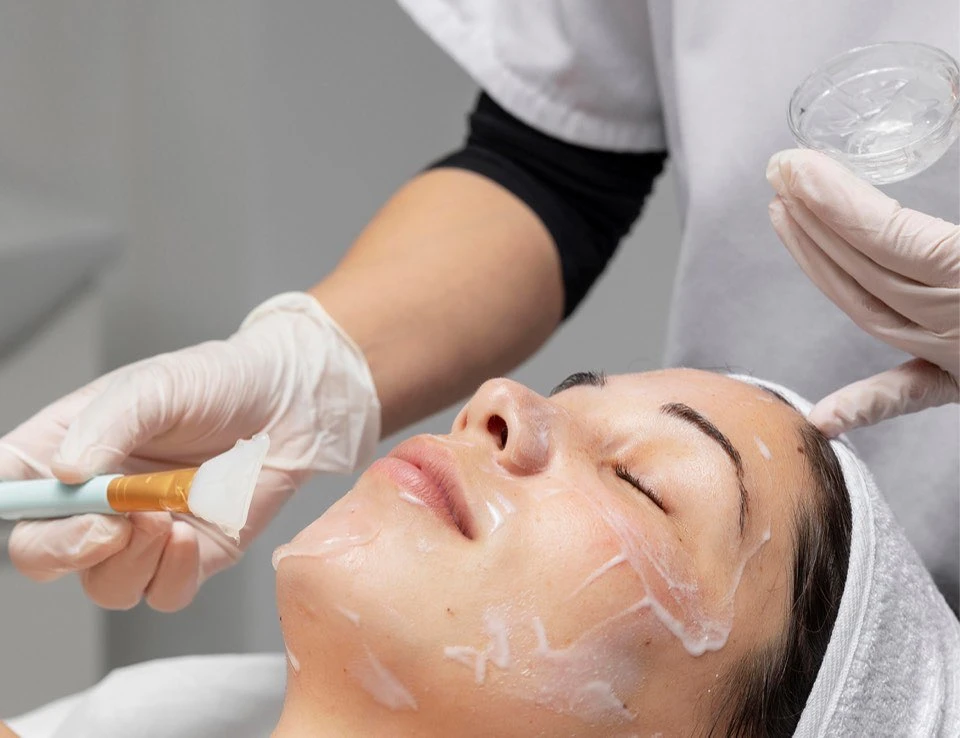
When does a chemical peel make the most sense?
Most often when your skin needs targeted work on its texture, tone, or imperfections, and you want to approach it more purposefully than with standard home exfoliation. Many people fear that a chemical peel will always cause heavy peeling or leave the skin "out of service" for days. In reality, a lot depends on the type of peel, your skin condition, and the goal of the therapy.
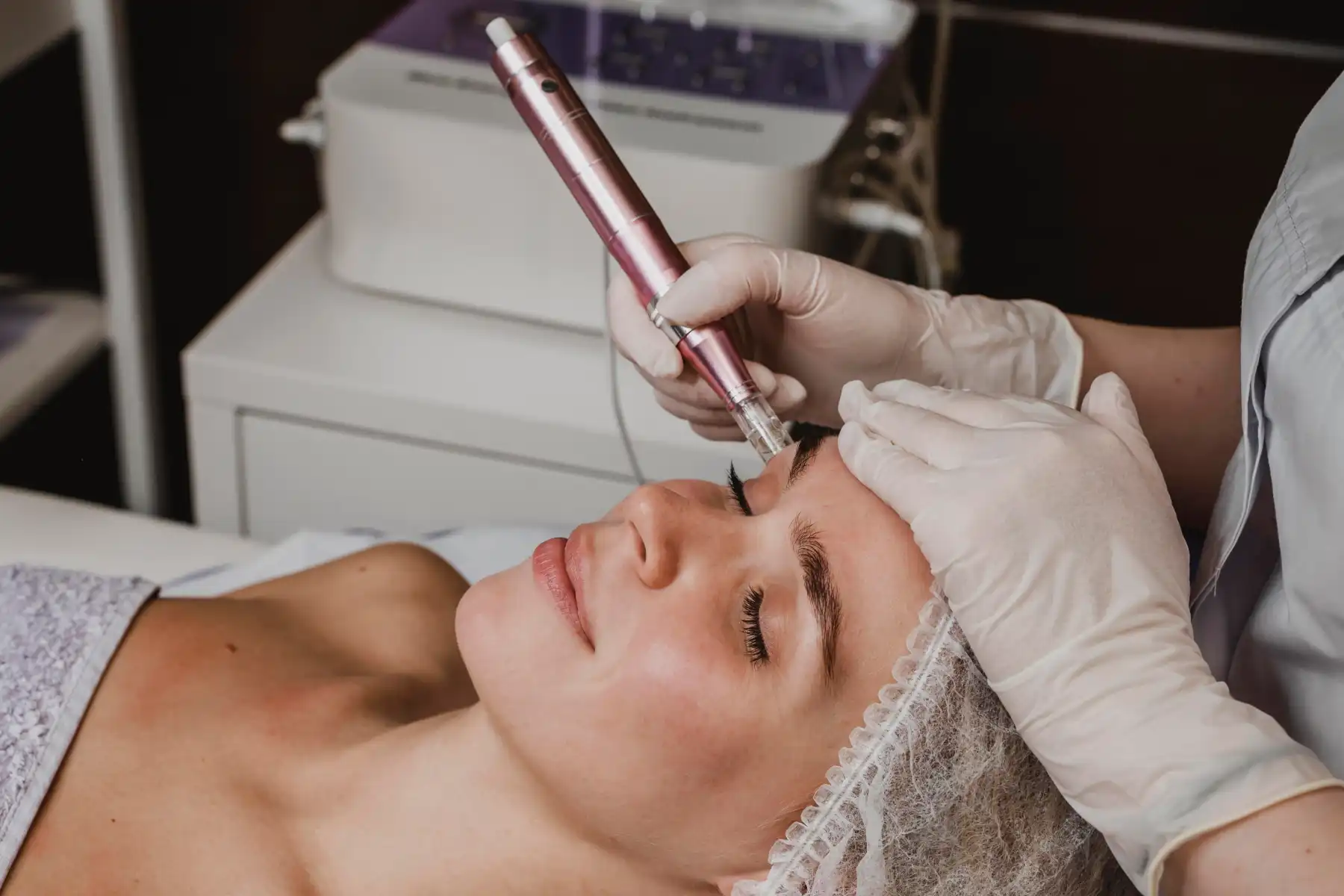
If your priority is a more stimulating regeneration and a structured series to improve skin quality, microneedling can sometimes be a better choice. If your skin is currently sensitive and irritated, it is wiser to think about a soothing treatment or a consultation first.
Chemical peel, acid peel, and acid treatments - what is the difference?
Clients often search for this therapy using different names: chemical peel, acid peel, or acid treatments. In practice, the most important part is not the name itself, but the careful selection of the formula, intensity, season, and post-treatment care.
A professional chemical peel should never be chosen randomly. I match it to your skin concern, sensitivity, and whether we are working on tone, hyperpigmentation, acne marks, blackheads, or overall texture refinement.
How much does a chemical peel cost in Krakow?
A chemical peel at SkinCareWithMargo costs 150 PLN. The treatment is performed in my Krakow studio at al. 29 Listopada 39F.
The final acid selection depends on your current skin condition, tolerance, and the season. This allows the treatment to work purposefully rather than simply causing unnecessary flaking.
The Most Common Concern
Worrying whether the skin will flake heavily and if the treatment will disrupt daily plans.
The Biggest Benefit
A more mindful approach to improving skin tone, texture, and fading post-inflammatory marks.
Why the Selection Matters
Because the type of peel must strictly match your skin's needs, its sensitivity levels, and the current season.
What skin concerns can a chemical peel help with?
An acid peel is most often considered for hyperpigmentation, acne marks, uneven skin tone, blackheads, excess sebum, dullness, minor imperfections, and uneven skin texture.
If the skin is highly reactive, irritated, or has a compromised hydrolipid barrier, it is usually wiser to calm it down first and introduce stronger acids later.
Is every chemical peel a medical peel?
No. Not every chemical peel is a medical peel. At SkinCareWithMargo, the focus is on professional cosmetic selection of acids for your skin needs. If a concern is medical, severe, or requires dermatological treatment, a doctor's consultation is the right direction.
How does the visit look?
1
Skin Assessment
I check which issue we should prioritize and whether a chemical peel is the absolute best option right now.
2
Product Selection
I select the specific type of peel based on your complexion's condition, skin tolerance, and expected results.
3
The Treatment
We work on smoothing and refreshing your skin within a range that is completely safe for your complexion.
4
Post-Treatment Guidelines
You receive clear instructions regarding daily home care, sun protection, physical activities, and what you should temporarily avoid rushing into.
Does a chemical peel always mean heavy flaking?
No. This is one of the most common fears, but not every peel leads to visible, intense skin shedding. Sometimes the effect is much more subtle, and the primary change shows up as a gradual improvement in skin tone and texture. This is why a realistic discussion of expectations before the treatment is so important.
When is it better to postpone a peel?
If the skin is highly irritated, reactive, or lacks proper daily sun protection, it is more honest to stabilize your home routine first. This also applies to situations where the skin reacts poorly to active ingredients and requires a calmer approach. In such cases, it is best to start with a professional skincare consultation.
Why should the choice of peel be individual?
On the About Me page, you can see how I approach working with skin. When it comes to chemical peels, the key is never to choose them "from the internet," but to match them to your specific skin concerns, tolerance, and the season. This ensures the therapy makes sense instead of causing unnecessary irritation.