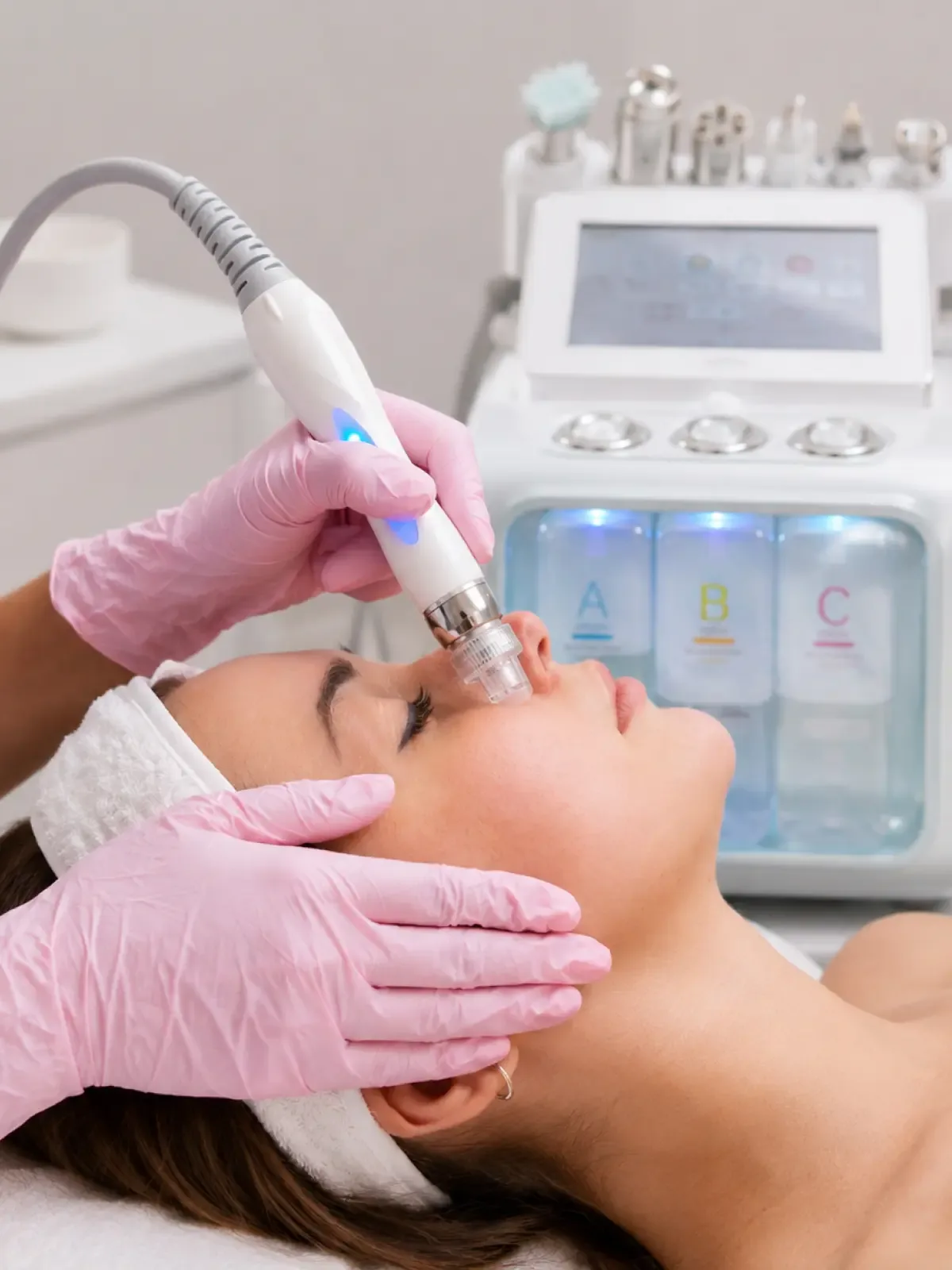
Hydrogen facial cleansing
A gentle cleansing and refreshing treatment without long downtime.
View serviceThis page covers the questions that come up most often before choosing a treatment: facial cleansing, microneedling, peels, Kobido, RF lifting, contraindications, and post-treatment skincare.
The answers are based on safe professional qualification practices and the questions that appear most often before a first visit.
Choose the right therapy direction first, then the specific treatment.
The safest start is a skincare consultation, especially if your skin is reactive, acne-prone, dehydrated, or tired after many unsuccessful product experiments. During the consultation, we assess your current skin condition and only then decide whether cleansing, calming, sebum regulation, a peel, microneedling, or RF lifting makes the most sense.
Differences between cleansing, cavitation peeling, chemical peels, and safe summer choices.
A hydrogen facial is gentler, painless, and works beautifully for refreshing the skin, improving glow, and softly cleansing the pores. Manual facial cleansing is more precise when blackheads and congestion require hands-on extraction. The best choice depends on whether your skin needs a gentle refresh or deeper, more targeted cleansing.
Yes, a hydrogen facial can be performed during summer because it is not an aggressive exfoliating treatment and does not require long downtime. Daily SPF is still essential, especially if your skin is sensitive, recently treated, or prone to hyperpigmentation.
A cavitation peel is gentler and works well when the skin needs mild refreshment, cleansing, and smoothing. A chemical peel is more active and may be a better choice for uneven tone, blackheads, pigmentation, or texture concerns. The decision depends on your skin tolerance, the season, and your treatment goal.
Not every chemical peel is a good summer choice. Gentle year-round formulas may sometimes be possible, but stronger exfoliation requires more caution, strict SPF use, and proper skin qualification. If sun exposure is high, a gentler refreshing method is often the safer option.
Yes, but not randomly and not always during one visit. In most cases, it is safer to schedule a peel and microneedling in stages, leaving enough time for the skin to regenerate. Combining strong stimuli too quickly may damage the skin barrier and increase irritation.
Common questions about stronger treatments, skin remodeling, and when effects appear.
A light refreshing effect may appear after the first visit, but if the goal is better skin quality, acne scars, firmness, or fine wrinkles, a series is usually planned. A common starting point is 4 treatments spaced several weeks apart, with the plan adjusted according to your skin response.
Microneedling can cause some discomfort, but the sensation varies from person to person. In the current SkinCareWithMargo protocol, anaesthetic is not used; the settings are adapted to the treatment area, skin condition, and individual tolerance. After the treatment, temporary redness, sensitivity, and mild swelling are normal.
During pregnancy, every procedure should be assessed individually. Intensive massage techniques, strong drainage, and work on certain areas may need to be modified or postponed. If you are unsure, consult your pregnancy care provider and choose only safe, gentle options in the clinic.
In practice, the Kobido session itself usually lasts about 90 minutes. The full visit may take a little longer if it also includes skin assessment, preparation, or discussion of your future skincare plan.
No, RF facial lifting is painless. During the treatment, you mainly feel pleasant, intense warmth. It does not require needles or anesthesia, but contraindications such as a pacemaker, metal implants in the treatment area, pregnancy, or active infections must be ruled out first.
The first tightening and refreshed look can often be noticed immediately after the visit, but the fuller firming and remodeling effect develops gradually. New collagen production takes time, so the best results are usually assessed after several weeks and often after a series of treatments.
What to do before brow pigmentation so the skin is calm and well prepared.
Before permanent makeup, it is worth keeping the skin calm, well hydrated, and free from irritation. Avoid strong peels, intensive therapies, and irritating the brow area directly before pigmentation. Detailed preparation should be discussed before the appointment because it affects comfort and pigment retention.
When a treatment should be postponed and why proper qualification matters more than speed.
It depends on the treatment type, your goal, and your skin condition. Microneedling and RF lifting often work best as a series, while massages, cleansing treatments, and calming care may follow a different rhythm. The safest frequency is always set individually after skin assessment.
Contraindications depend on the procedure but may include active infections, cold sores, fresh skin inflammation, a damaged skin barrier, certain skin diseases, tendency to keloid scarring, pregnancy for some methods, and situations where the treatment should be postponed. Final qualification always happens before the visit.
During pregnancy, the range of available treatments is limited and many intensive procedures are postponed. Usually only gentler options are considered, such as classic facial massage, manual cleansing, or hydrating and soothing treatments. Every decision should be made individually.
Makeup, sports, sauna, combining procedures, and daily SPF protection.
This depends on the procedure and your skin reaction. After gentler treatments, returning to makeup may be quicker, while after microneedling or stronger peels it is usually better to wait until the skin calms down and follow your individual post-treatment instructions.
After more intensive treatments, a short break from heavy exercise, sauna, and swimming pools is usually recommended because sweat, heat, and chlorine can intensify irritation. The exact timing depends on the procedure and how your skin behaves afterward.
Sometimes yes, if the combination is safe and has a clear therapeutic purpose. Some preparatory and nurturing treatments combine well, but strong stimuli should not be added randomly. The decision should follow a skin assessment, your treatment goal, and your current skin tolerance.
Yes, sun protection is very important after most treatments, especially after peels, microneedling, pigmentation therapies, and skin-refreshing procedures. SPF helps reduce the risk of hyperpigmentation, irritation, and losing part of the treatment effect.
If you want to compare treatments or see which direction makes sense for your skin, these pages are the best place to start.
A gentle cleansing and refreshing treatment without long downtime.
View service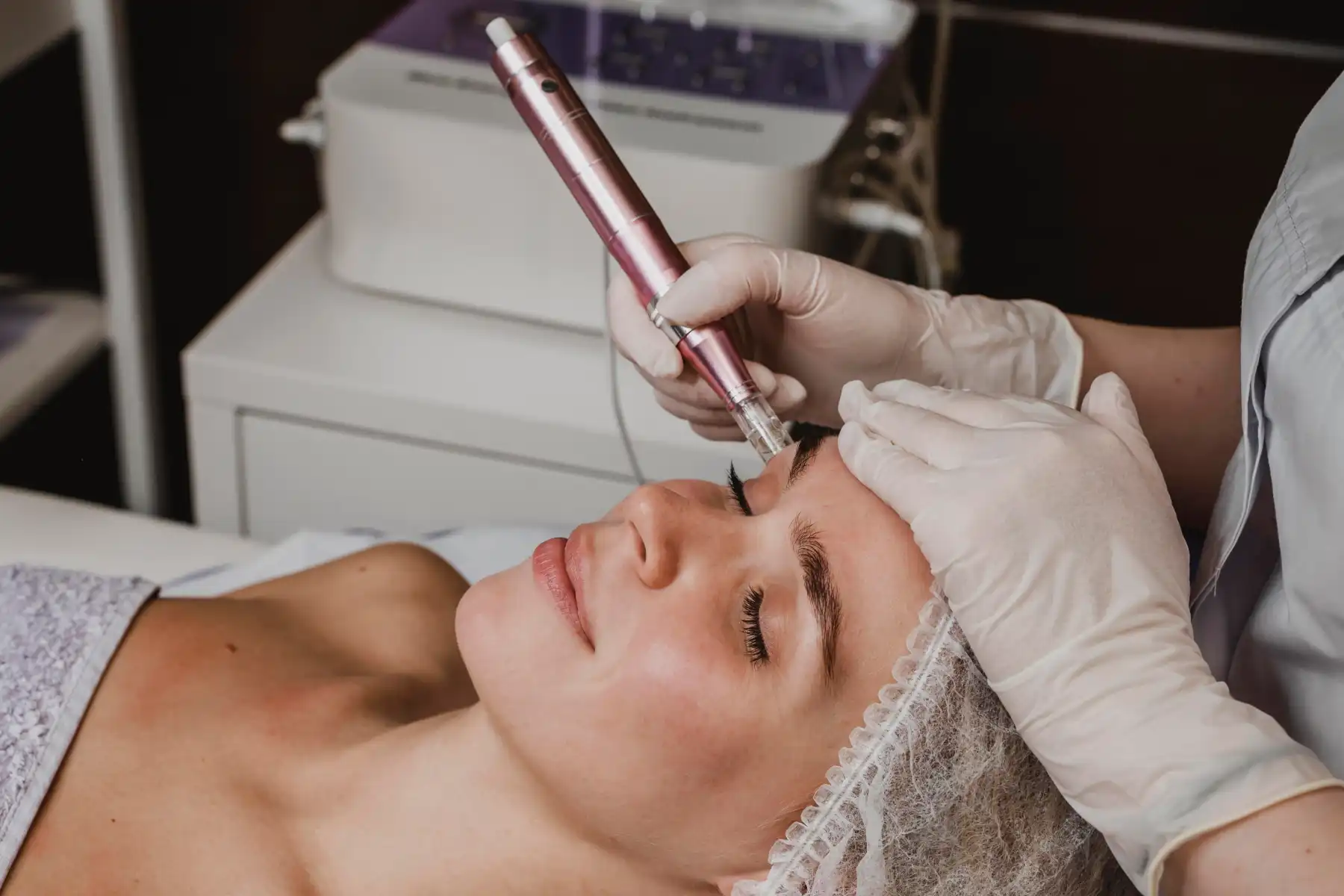
A treatment series supporting regeneration, skin quality, and smoother texture.
View service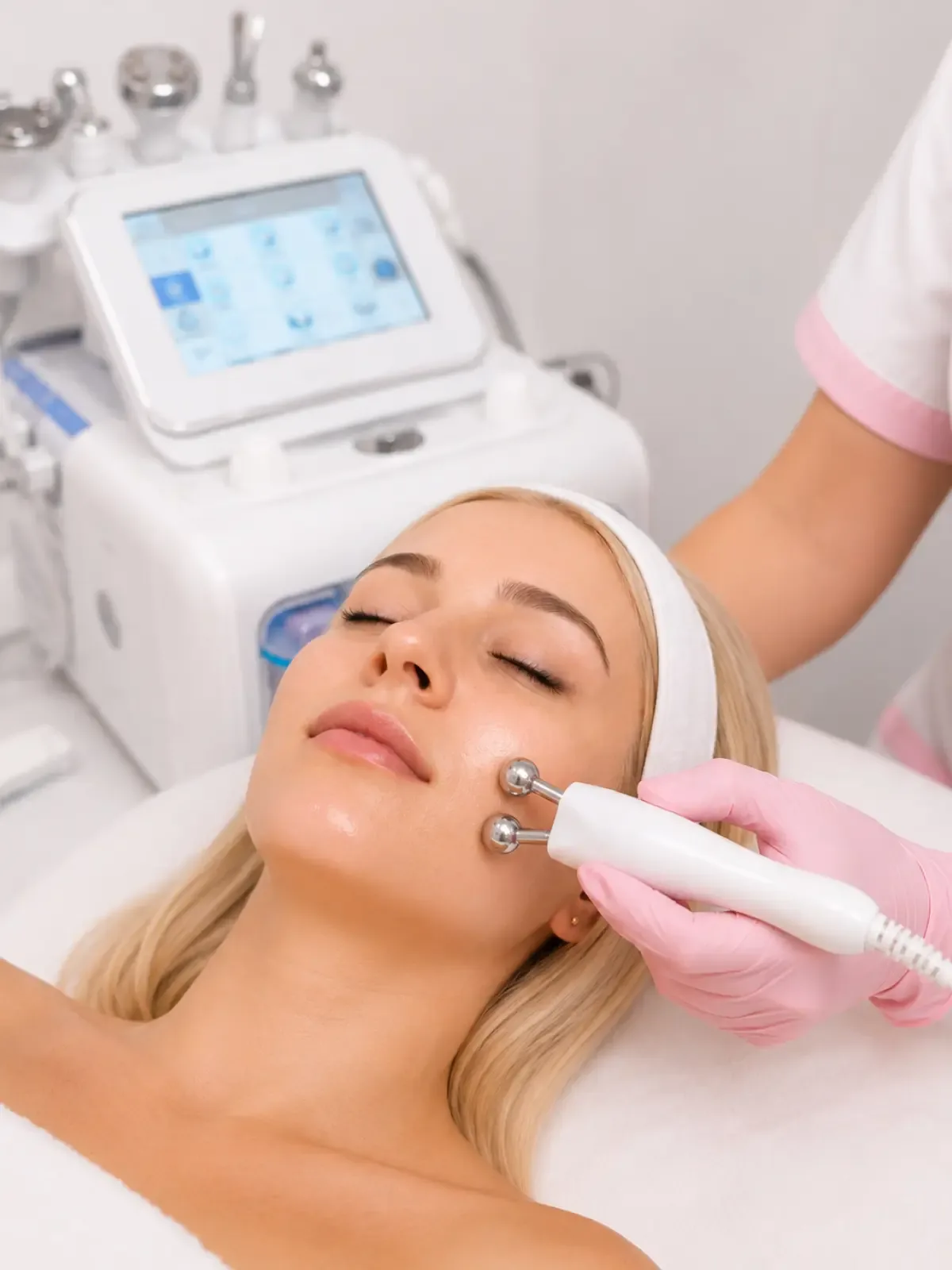
Non-invasive support for firmness, facial contours, and skin tightening.
View serviceThese articles expand on the most common doubts before a visit and help you better understand how to choose the right treatment.
About treatment intervals, sequence, and when combining methods makes sense.
Read articleWho it is for and why a structured series is often the best plan.
Read articleHow to recognize safe qualification, good communication, and a logical therapy plan.
Read article