Treatment comparisonHydrogen facial & hydropeeling7 min read
Hydrogen Facial vs. Hydropeeling: what is the difference and which is best for you?
With the rapid evolution of non-invasive aesthetic treatments, it is easy to get confused by similar names. Clients often ask whether a hydrogen facial in Krakow and advanced hydropeeling are the same thing. They are related, but their goals and effects are not identical.
The Shortest Answer
A hydrogen facial is usually the gentler choice for antioxidant support, freshness, and sensitive skin comfort. Hydropeeling is more suitable when the main goal is stronger surface smoothing, pore cleansing, and active serum infusion.
As a skincare specialist in Krakow, I often hear the same questions: which treatment is better for blackheads, which one is safer for redness-prone skin, and can a cleansing procedure damage the skin barrier? The answer depends on your current skin condition, not on the trendiest name.
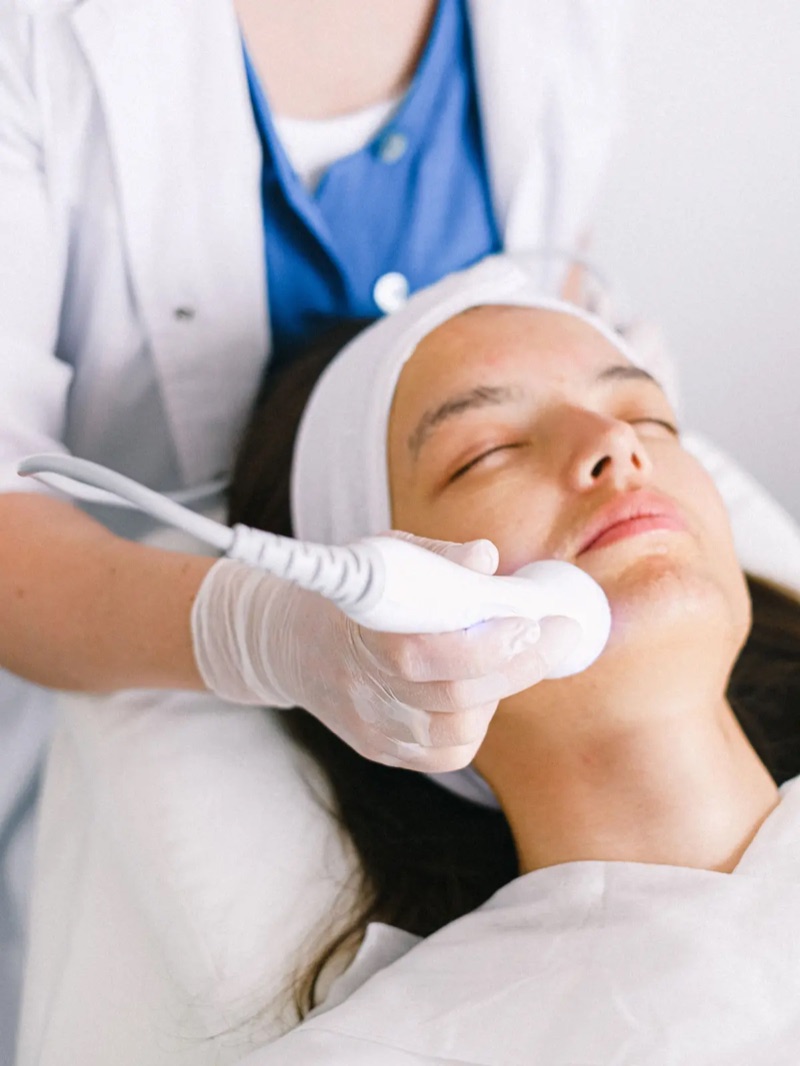
Gentle hydrogen facial or stronger hydropeeling? Compare both options.
What is a hydrogen facial?
The foundation of this treatment is active molecular hydrogen, which supports the neutralization of reactive oxygen species, also known as free radicals. In practice, a hydrogen facial cleansing treatment is a very gentle option for dull, tired, urban, sensitive, or redness-prone skin.
Mechanism: active hydrogen supports antioxidant protection and gentle skin refreshment.
Main goal: detoxification, soothing, and delicate pore cleansing.
Best for: sensitive, fatigued, dehydrated, city-stressed, or redness-prone complexions.
What is vacuum hydropeeling?
Hydropeeling, often described as hydradermabrasion, works more directly on the skin surface. It combines controlled cleansing, gentle exfoliation, and the delivery of active solutions. This is why hydropeeling in Krakow is usually a better fit when the skin is congested, uneven, oily, or needs a more visible smoothing effect.
Mechanism: the treatment tip helps lift dead cells, sebum, and impurities from the pores.
Main goal: smoother texture, clearer pores, brighter tone, and improved hydration.
Best for: oily, combination, congested, dull, or early aging skin.
Comparison table: hydrogen facial vs hydropeeling
The most important differences
Feature
Hydrogen facial
Hydropeeling
Key active agent
Active molecular hydrogen (H2)
AHA/BHA acids, vitamins, peptides, or hydrating ingredients
Main effect
Detox, freshness, antioxidant support
Exfoliation, pore cleansing, smoothing, and hydration
Intensity
Very gentle
Low to moderate, depending on the skin and selected solutions
Most common choice
Sensitive, tired, redness-prone skin
Oily, combination, congested, uneven skin
Are these treatments safe?
Safety depends on the way the treatment is performed. At SkinCareWithMargo, I focus on controlled device settings, disposable tips, hygiene, and sensible active ingredient selection. With capillary-prone or reactive skin, the goal is not to work harder, but to work more precisely.
Device parameters are adjusted to your real skin sensitivity.
Single-use tips and clean treatment protocols help protect the skin.
Active solutions should match the season, your skin tolerance, and the condition of your skin barrier.
The best solution: you do not always have to choose only one
In real clinic practice, these treatments can complement each other beautifully. A more advanced hydropeeling protocol may include a hydrogen step, pore cleansing, and active serum delivery, leaving the skin smoother, fresher, and more radiant. If firmness is also a concern, cleansing can be paired with RF lifting. For deeper texture concerns, acne scars, or long-term skin remodeling, microneedling may become a better next step.
If you are unsure which option is right for you, start with a cosmetic consultation. It is the safest way to rule out contraindications and match the treatment to your actual skin condition.
Not sure where to start? Book a cosmetic consultation, which is completely free if you decide to have any treatment during the same visit!